MIT Reality Hack 2026

MIT Reality Hack was amazing. I've never been to a hackathon before, let alone place first at one!
For context, Reality Hack is a premier hackathon with a focus on XR hardware/software. My team created Reboot: Anomaly Holdout, someday we might turn this into its own game. Here are some pictures from the event.
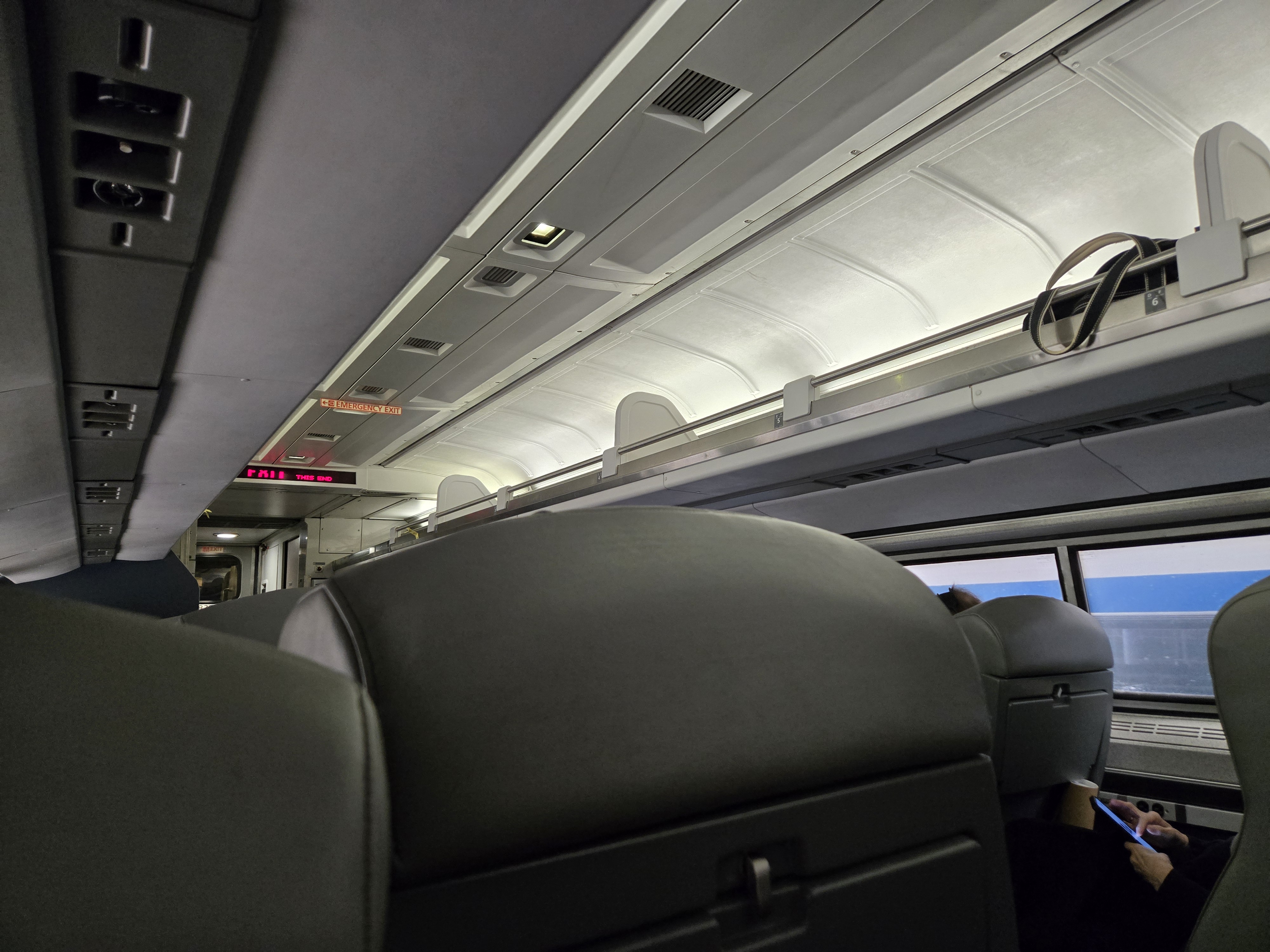
It was my first time riding an Amtrak train, it was pretty nice! I left from Albany station and arrived in Boston in the evening.
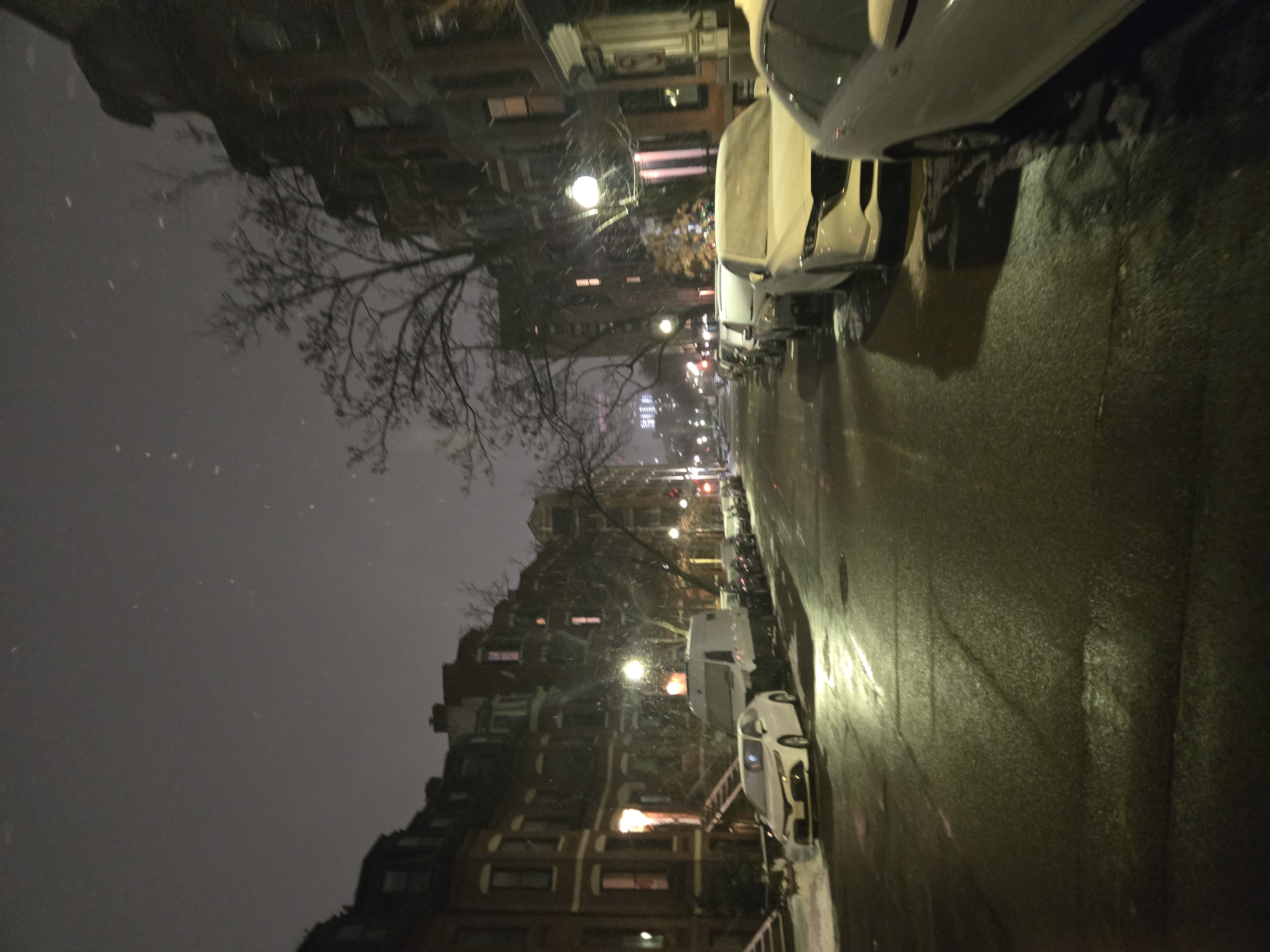
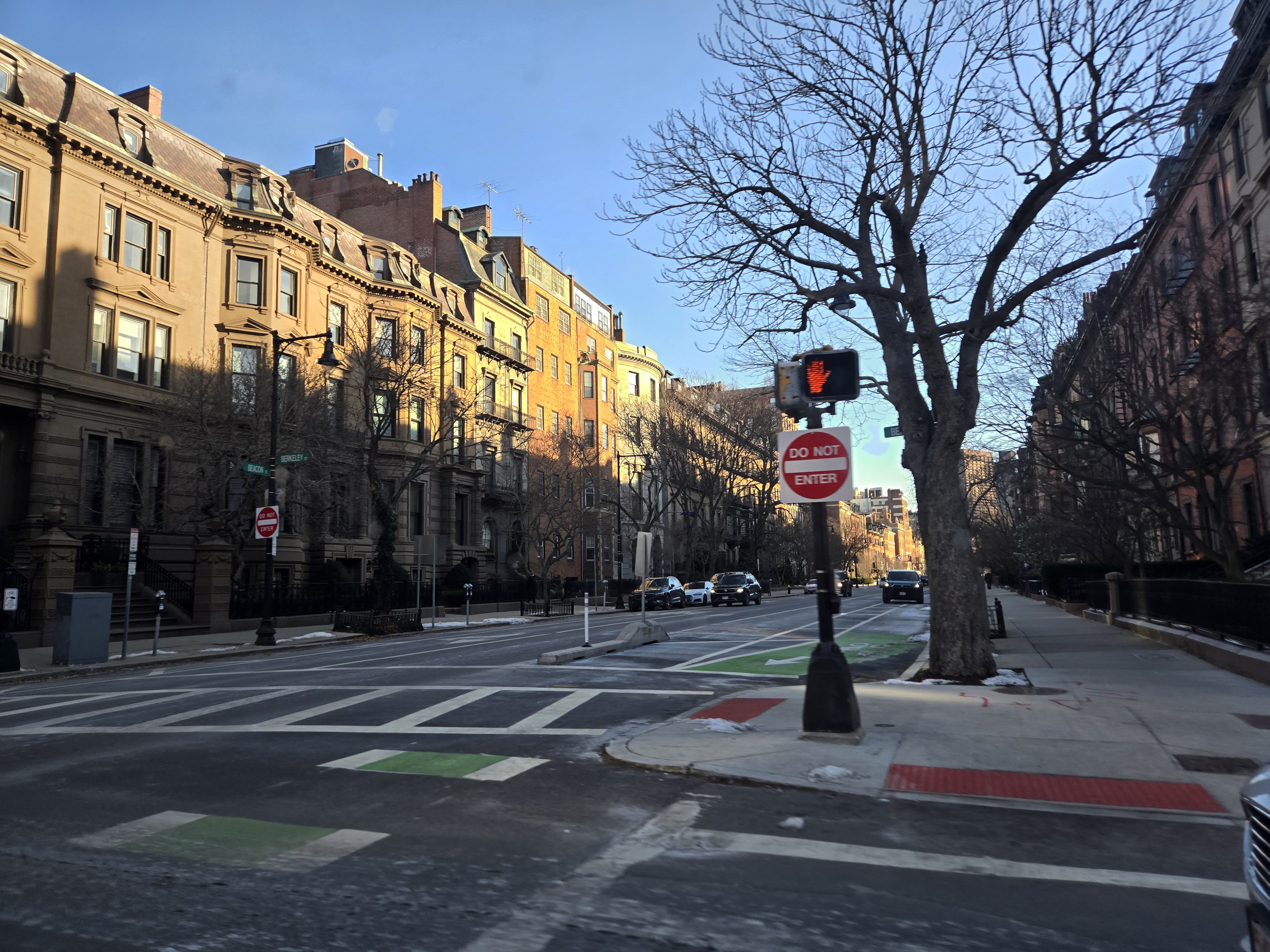
It was a 10 minute walk from the train station to our hotel. Boston was about to be hit with a generational storm, we were all bracing ourselves.
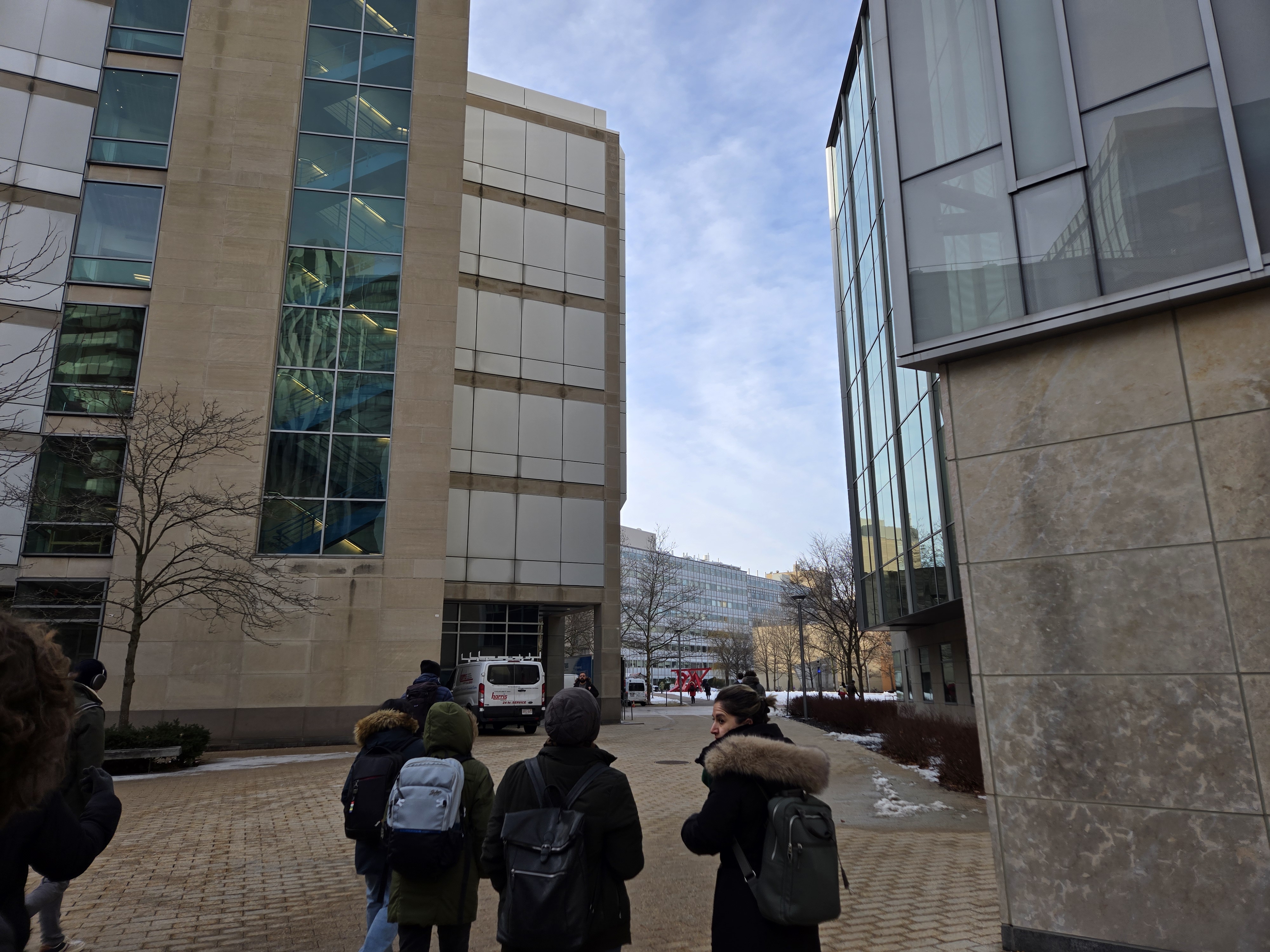
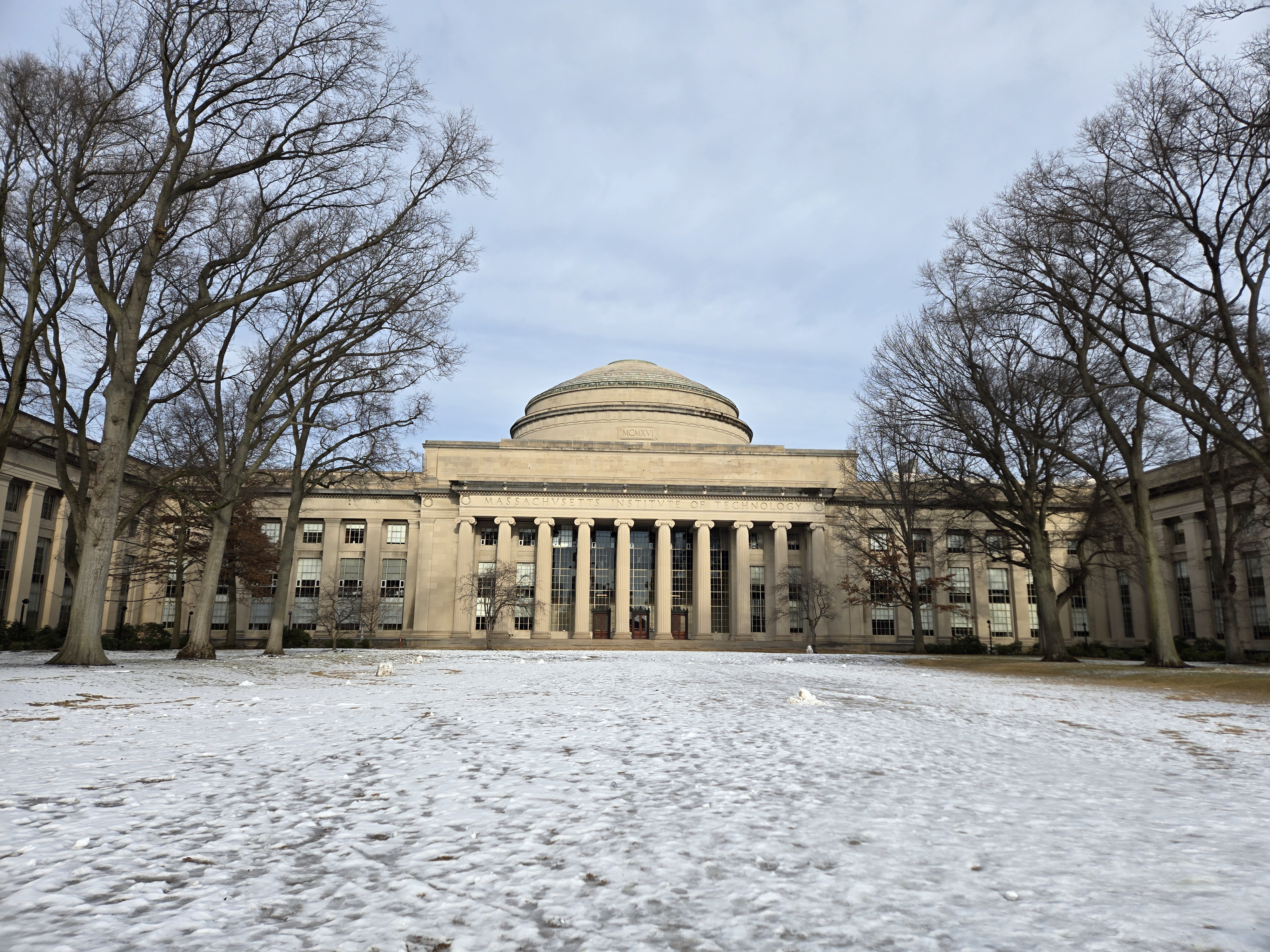
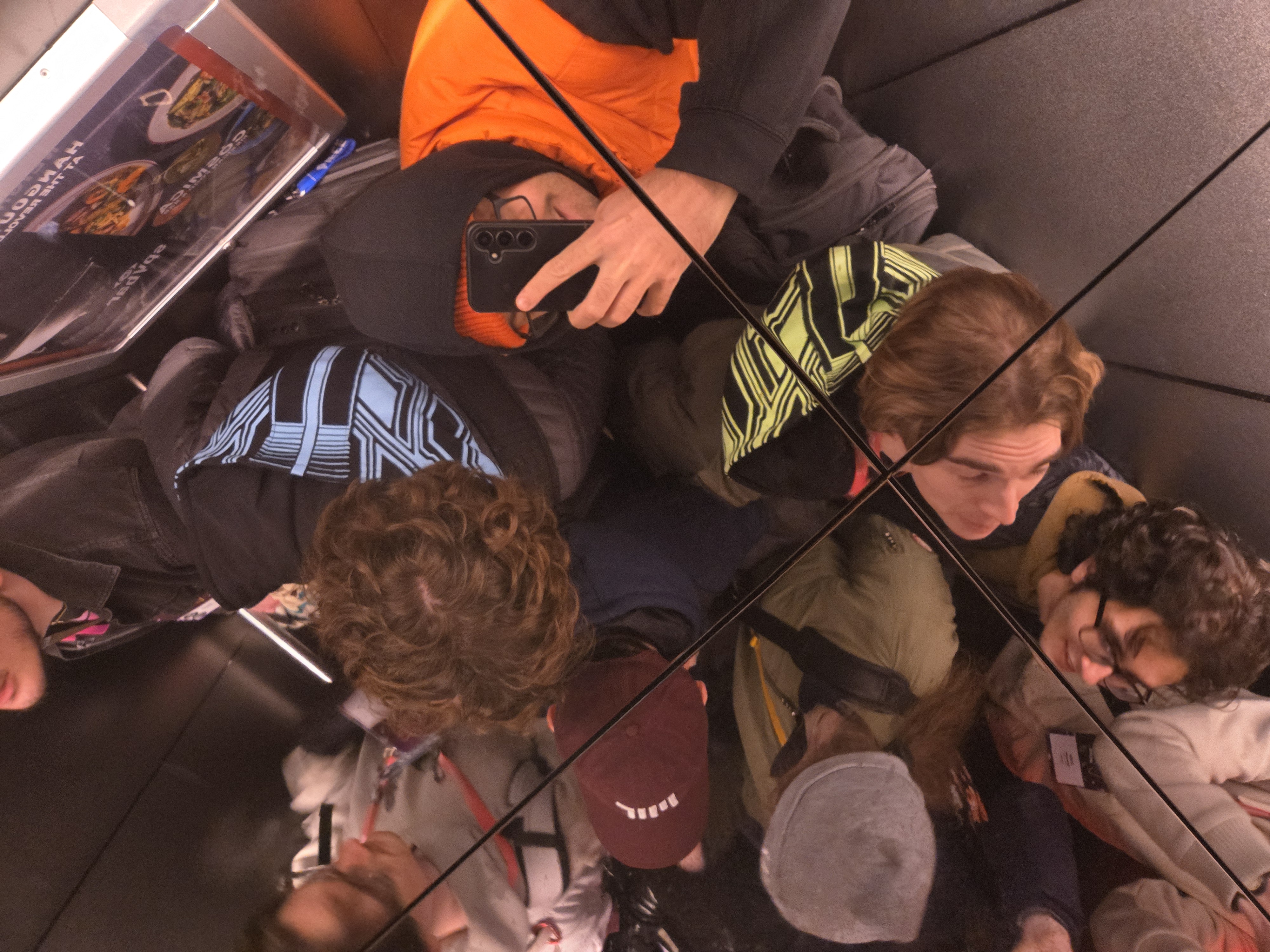
The next day we got ready and took the subway to the MIT campus. It was my first time on, and holy cow it was beautiful.
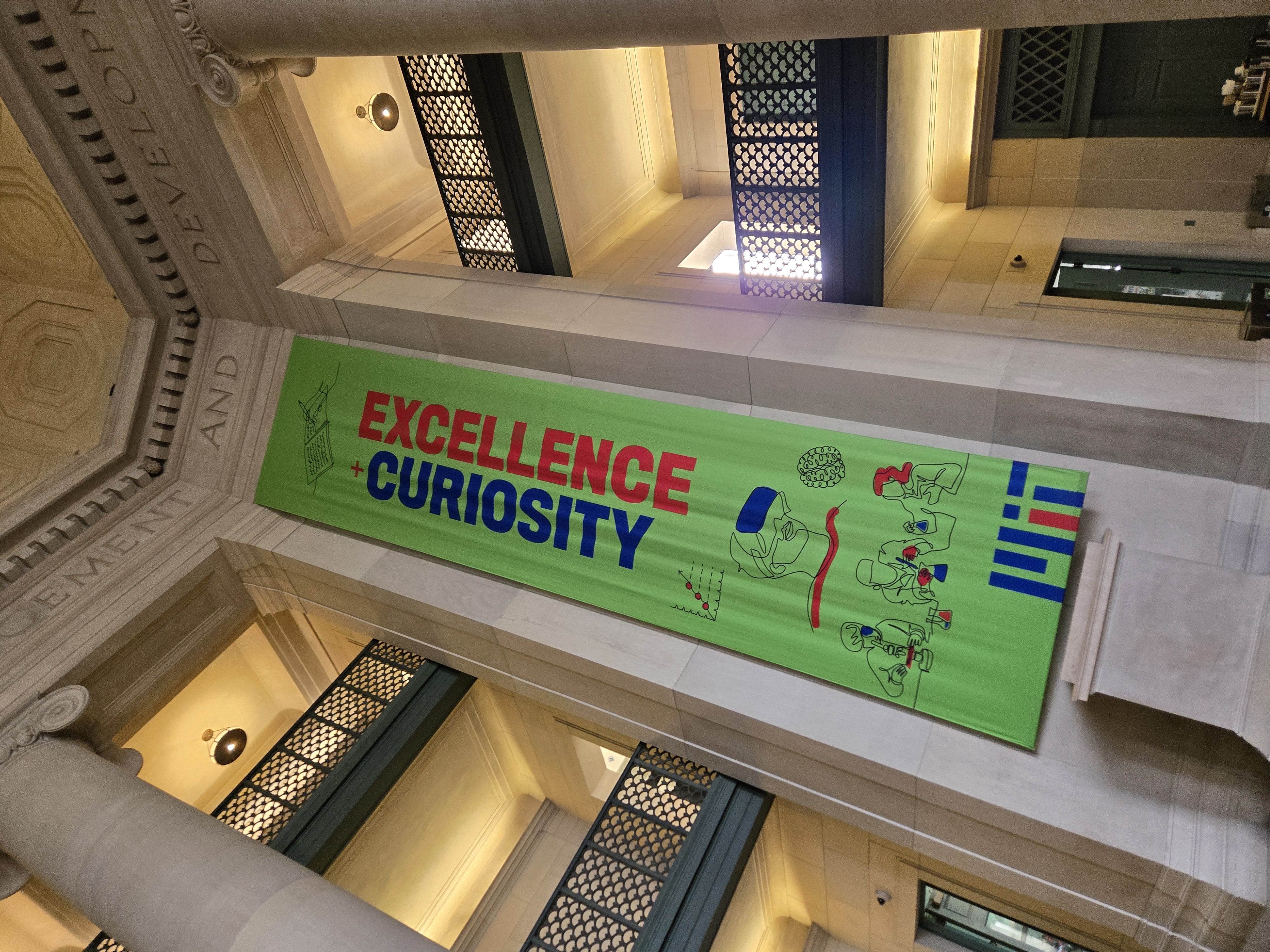
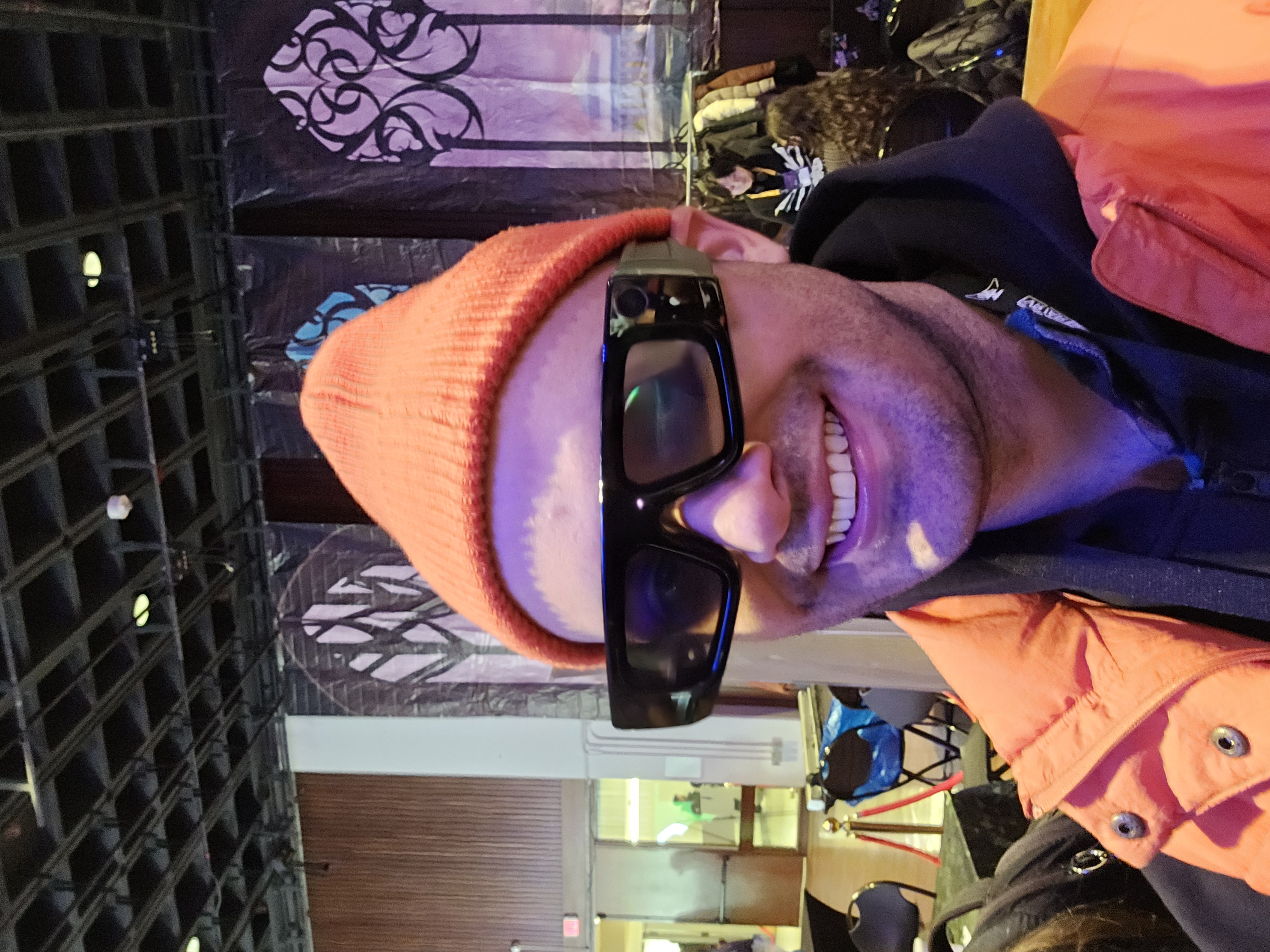
The first day was a day to network, check out panels and booths. Here's a picture of me in Snapchat's AR Spectacles:
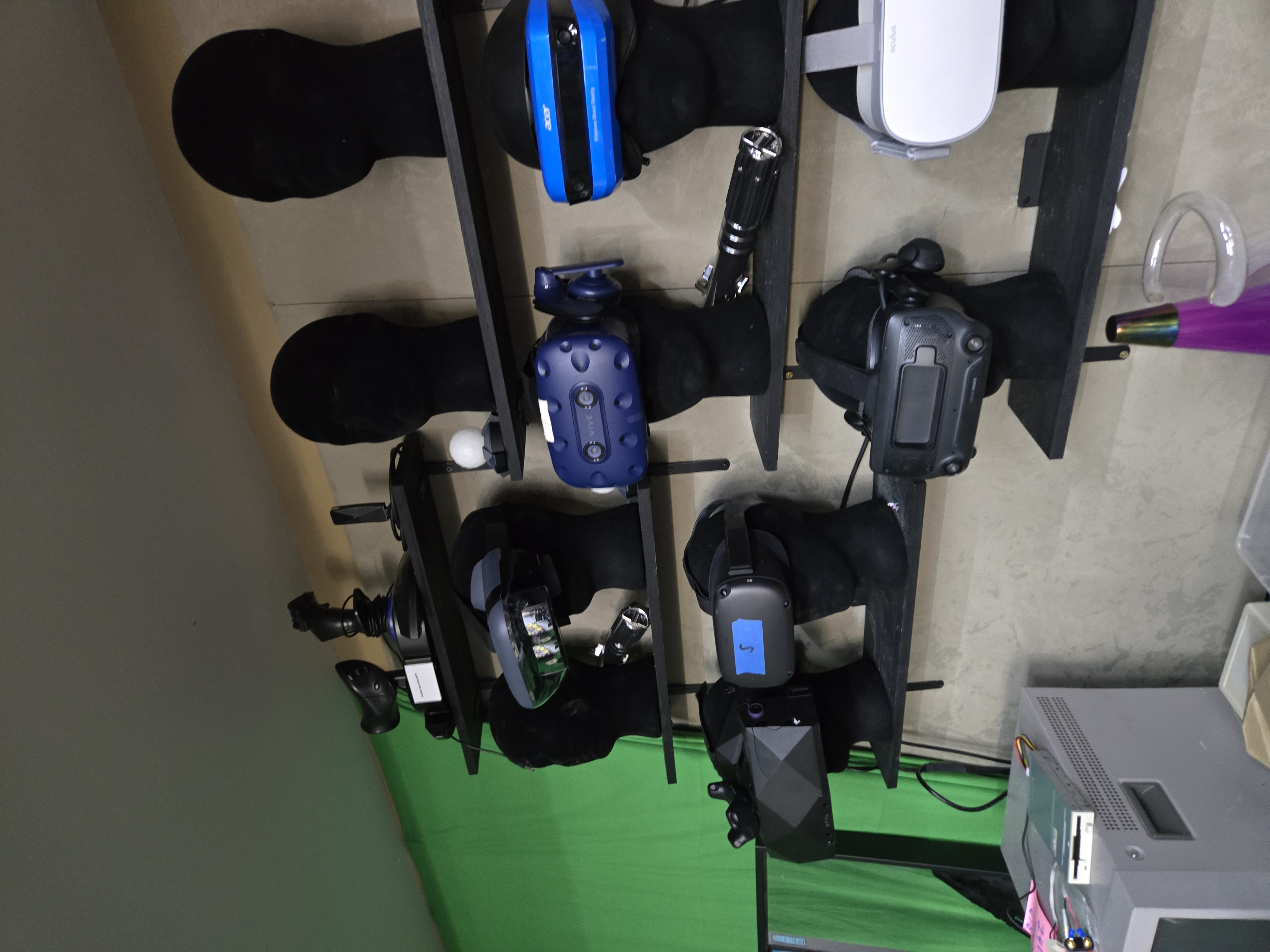
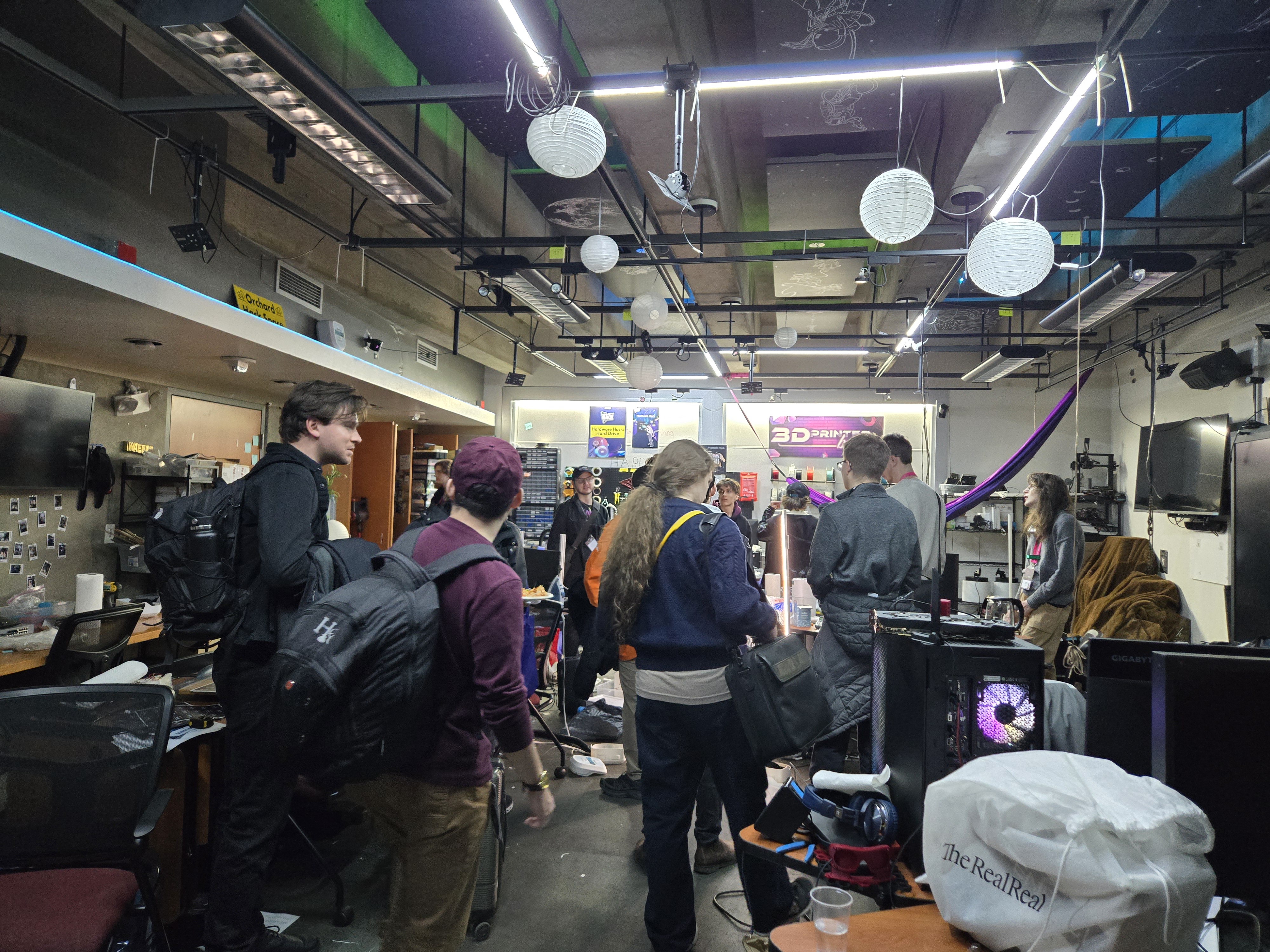
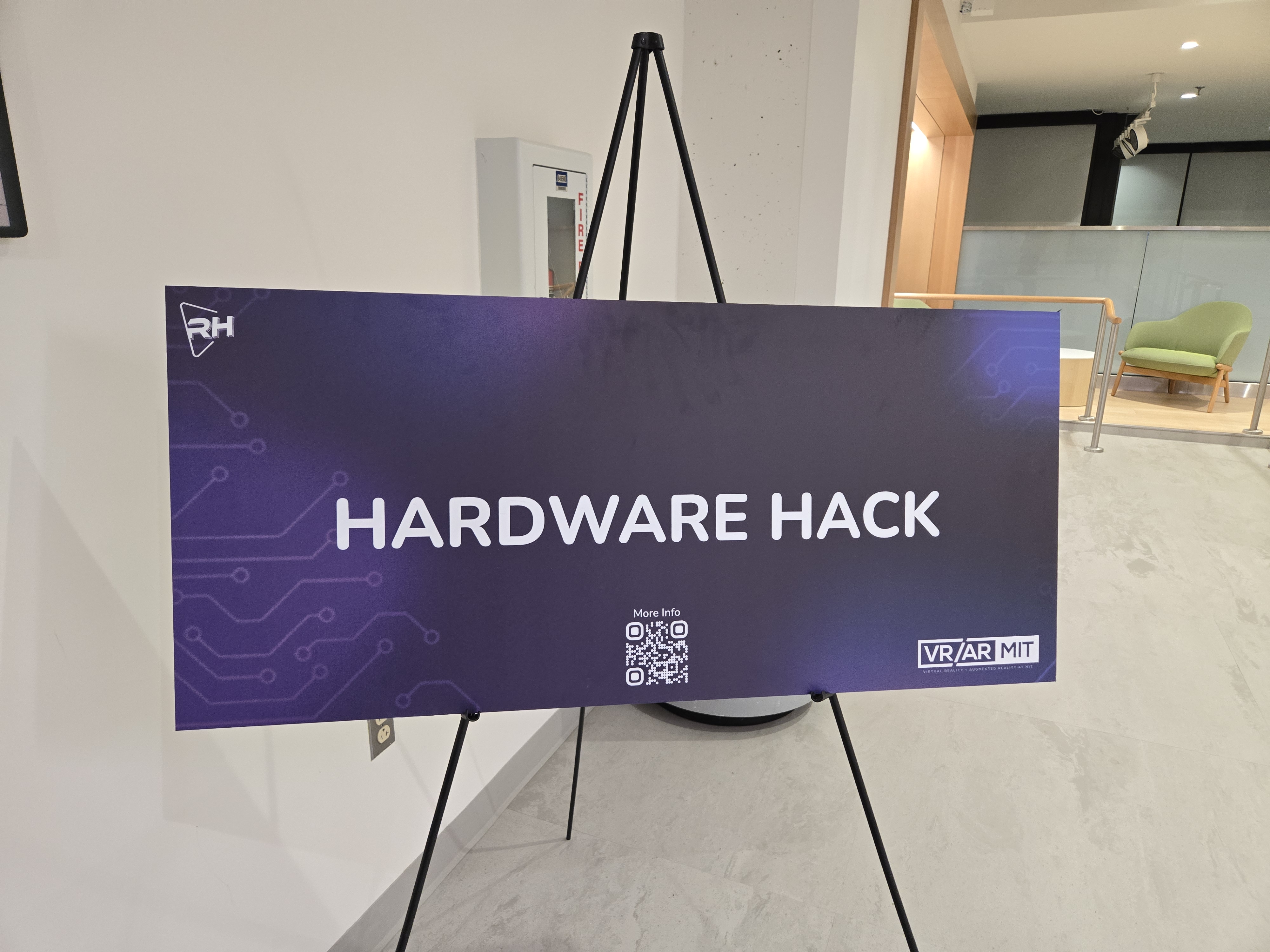
Track wise we had opted to take part in the "Hardware" hack. There is also a software track, and so on. We had a total of 48-ish hours to work on things.
Gameplay wise we wanted to create a survival horror inspired by the likes of FNAF and Alien. Hardware wise, we were working with the Samsung Galaxy XR. We wanted to composite a real controller into VR, kind of like how Stop Sign VR does it.
Here is a photo of compositing working! It's hard to understate how cool this looks on a screen. To achieve this, we drew the passthrough texture to the skybox and used a depth mask shader to "punch through" geometry. I handled the bulk of the game programming, we used the Unity engine.
Compiling for Android is SO SLOW AGH! I'd be curious to see how Godot stacks up, it is an officially supported game engine.
It was at this point too I had to overwrite my Framework 13's Fedora install with Windows, turns out you can't compile for the Galaxy XR on Linux :>
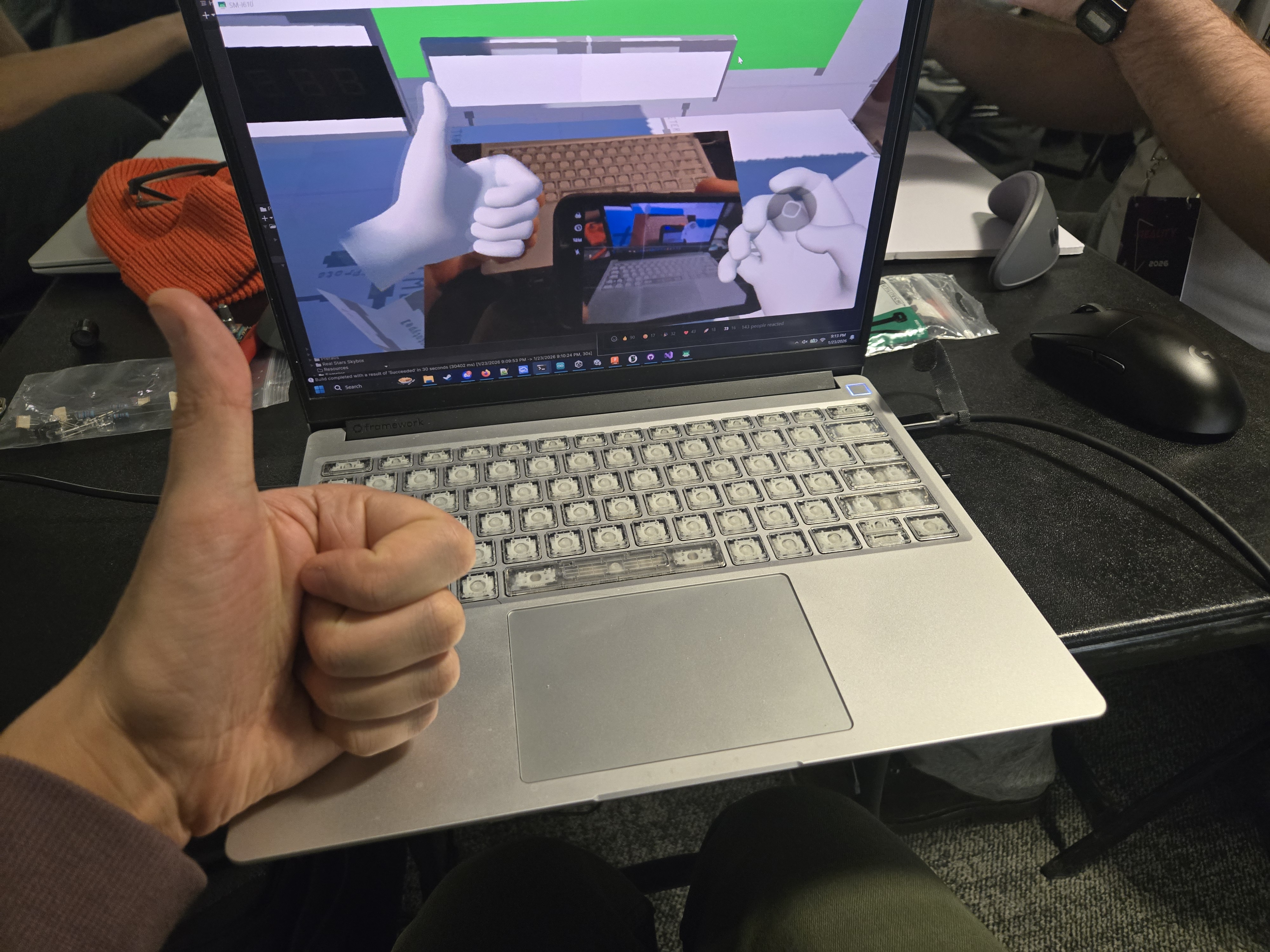
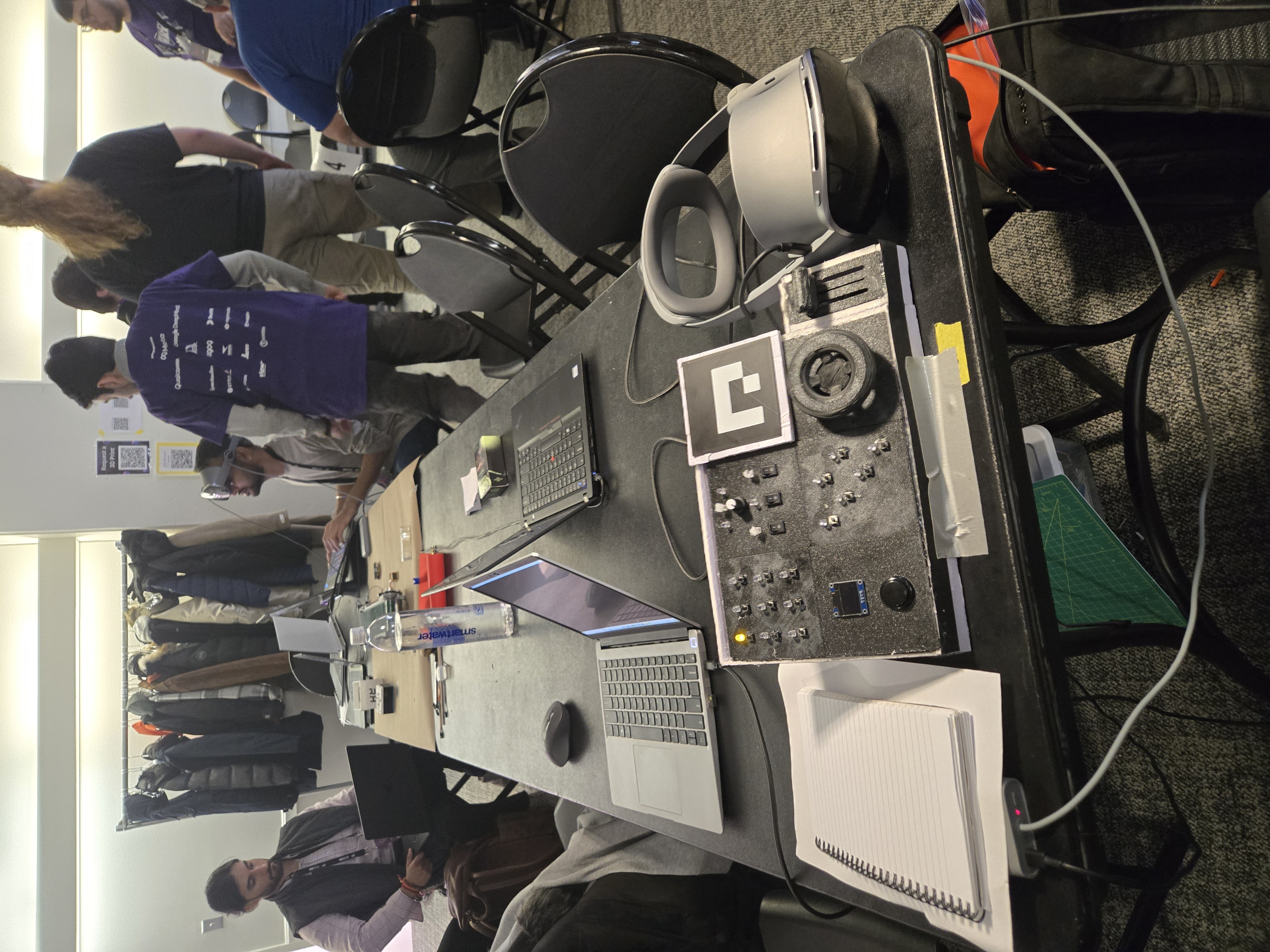
Here is the controller in question. Originally, we had opted to use an Arduino Uno, but we were having issues with its boot times - restarting the board would take us the better part of 5 minutes, eventually we scrapped this and used some ESP32's instead. It's alive!
Thus marked the end of day 1.
Day 2 saw the finalization of the controller, as well as game assets, the trailer, etc.
Time for demos!
Here's a video of Reboot in use. Fellow hackers and judges loved this:
If I had more time I would added a sound system and more anomalies. The 1-minute gameplay loop is surprisingly addictive - I could see this being a rougelike of sorts.
I'd suggest reading the post we made on devpost for more details, as well as the contributions of my teammates. Thanks for reading!